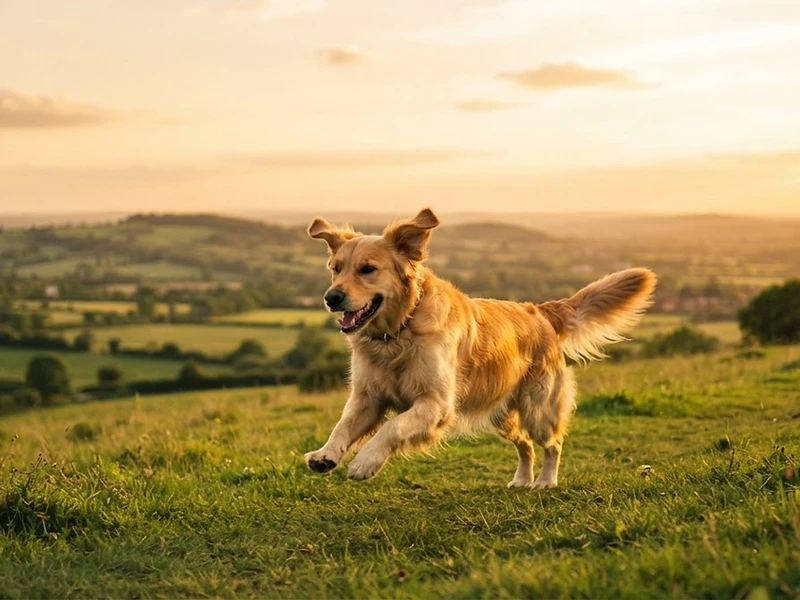
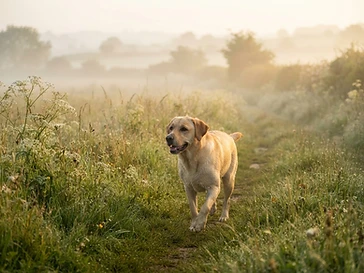
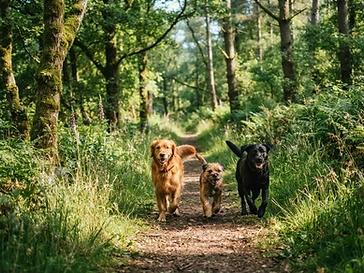

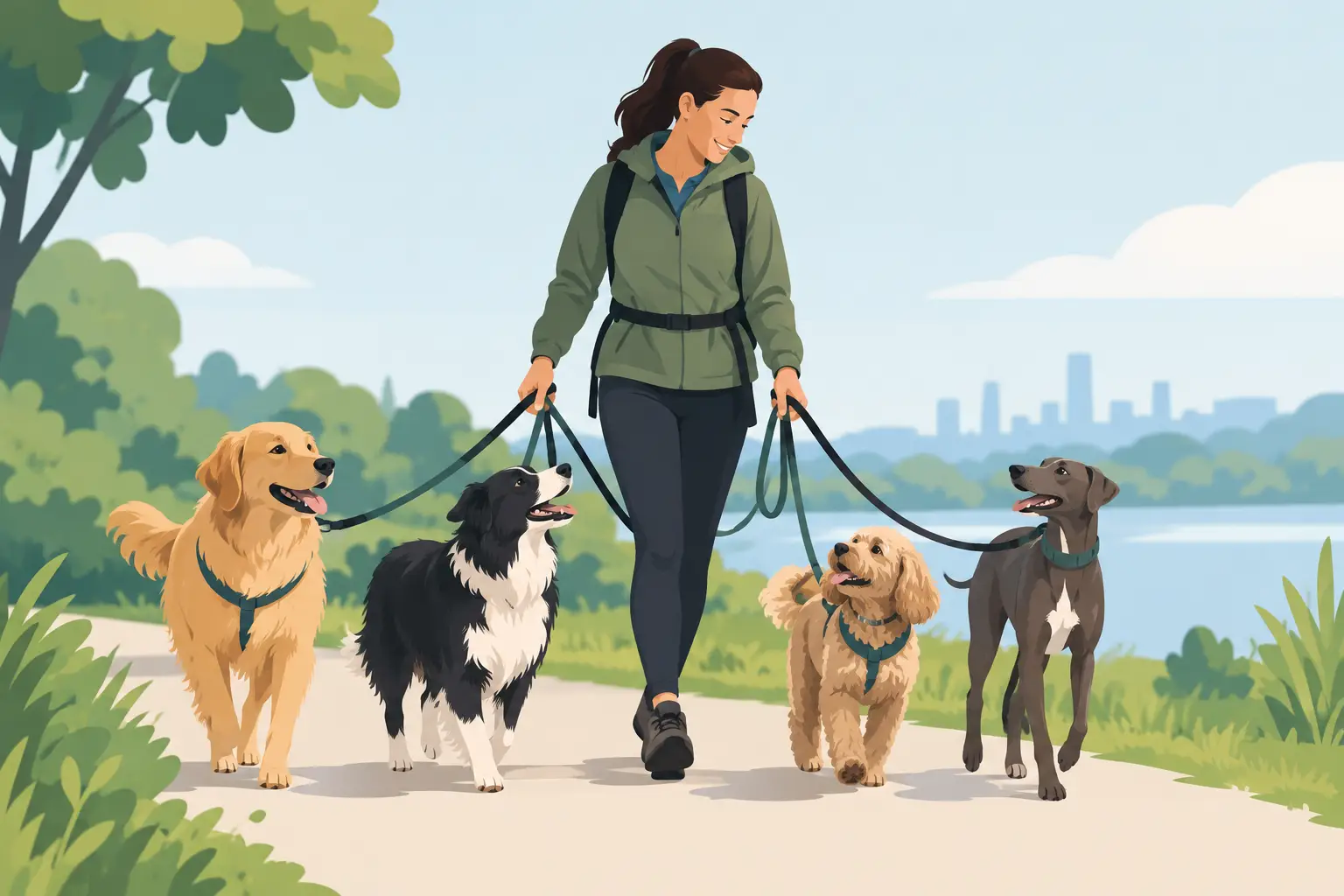
A missed lunchtime walk can mean far more than a bored dog waiting by the door. For some dogs, it can bring pent-up energy, worry, frustration or a disrupted routine. Choosing a dog walker is therefore not simply about finding somebody available during working hours. It is about placing your dog’s safety, comfort and individual needs in the hands of someone who will notice the small things.
For busy households in Bromsgrove, dependable daytime support can make family life easier while helping dogs enjoy the movement, enrichment and companionship they need. But the right service will look different for every dog. A confident young Labrador may thrive on an active outing, while a fearful rescue dog may need quiet routes, extra distance from other dogs and time to build trust.
A dog walker should understand the dog in front of them
Dogs are not all comfortable in the same environments, groups or routines. Age, health, breed tendencies, previous experiences and personality can all shape what feels manageable on a walk. Even a dog who looks sociable at home may find busy pavements, close greetings or unpredictable off-lead dogs difficult.
A behaviour-led dog walker considers these details before the lead is clipped on. They look beyond whether a dog can physically complete a walk and think about how that dog is coping emotionally. Are they scanning their surroundings? Pulling towards home? Becoming overexcited near other dogs? Settling after a noisy lorry passes? These observations help shape care that feels safer and more enjoyable, rather than asking the dog to simply tolerate a situation.
This is especially valuable for owners of reactive, anxious or fearful dogs. Reactivity is not a label for a “bad” dog. It is often communication: the dog may be trying to create distance, manage uncertainty or cope with something they find overwhelming. Patient, force-free handling gives that communication respect.
Why force-free walking matters
Force-free, reward-based care avoids using fear, pain or intimidation to control behaviour. Instead, it focuses on prevention, appropriate choices, calm handling and reinforcing behaviours that help a dog feel safe. That might mean crossing the road to avoid a tight passing space, allowing a dog time to sniff, or rewarding them for turning away from a trigger.
This approach is not about allowing dogs to do whatever they like. Boundaries, lead skills and reliable routines still matter. The difference is in how they are taught and maintained. A dog who feels heard is more likely to learn, recover and build confidence than one who is repeatedly pushed beyond their comfort zone.
There are practical trade-offs. A quiet route may not cover as many miles as a fast-paced group walk. A dog who needs extra space may not be suited to a busy park at peak times. For many dogs, though, a slower walk with opportunities to sniff and make safe choices is much more enriching than a longer outing filled with stress.
Walks are not one-size-fits-all
Group walks can be a lovely option for dogs who genuinely enjoy the company of others and can remain relaxed around them. They are not automatically the best choice for every dog. Some dogs prefer one-to-one time, carefully matched company or walks at quieter times of day.
A responsible provider will be honest about this. They should not promise that every dog can join every group, nor expect a nervous dog to “get used to it” through repeated exposure. Thoughtful matching, gradual introductions and individual arrangements can protect welfare far better than forcing a standard format.
What to ask before choosing a dog walker
It is reasonable to ask direct questions about how a service operates. You are not being difficult or overprotective - you are making a considered decision for a member of your family.
Start by asking how the walker gathers information about your dog. A detailed intake should cover health, veterinary details, feeding restrictions, handling preferences, recall, routines, behaviour around people and dogs, and anything that causes worry. The more accurately a walker understands your dog from the outset, the better prepared they are to care for them well.
It also helps to ask how walks are planned. Will your dog be walked alone, with other dogs or according to a tailored arrangement? How are group dogs selected? What happens if the weather is unsafe, a dog seems unwell, or a route becomes unexpectedly busy? Clear answers show that a service has considered real-life situations rather than relying on good intentions.
For dogs with anxiety or reactivity, ask about experience and methods. Look for calm, non-judgemental language and an approach centred on management and reward-based support. Be wary of anyone who dismisses your concerns, promises a quick fix or suggests that fear can be corrected through harsher handling.
Trust is built before the first walk
Professional care involves more than arriving with leads and treats. It requires an organised process that protects dogs, owners and the person providing care.
Client registration, written agreements and accurate dog information create a shared understanding from the beginning. They clarify practical details such as access arrangements, permissions, cancellation terms and the care that has been agreed. This might feel administrative, but it is one of the ways dependable care is built.
Emergency veterinary authorisation is equally important. If a dog becomes ill or is injured and an owner cannot be reached immediately, the walker needs clear instructions about what they are permitted to do. Having this documented is not pessimistic. It is sensible preparation that avoids uncertainty when time matters.
Owners should also expect essential safeguards, including appropriate insurance and a DBS check. Qualifications matter too, particularly where behaviour is part of the service. A Level 4 Advanced Canine Behaviour practitioner and PPGBI accreditation indicate specialist learning and a commitment to ethical, evidence-informed practice. They do not replace careful day-to-day observation, but they provide meaningful reassurance that the person caring for your dog understands more than the mechanics of a walk.
Clear communication keeps care consistent
Dogs benefit from predictable routines, and owners benefit from knowing how their dog is getting on. Good communication is not about receiving a constant stream of messages while you are trying to work. It is about having relevant, reliable updates and knowing that changes will be flagged promptly.
For example, a walker might let you know that your dog seemed quieter than usual, was unsettled by roadworks, or had a particularly positive interaction with a carefully chosen walking companion. These details can help everyone make better decisions. They also allow the walker and owner to spot patterns over time.
Consistency matters at home as well. If a dog is working on calmer lead behaviour, it helps when the handling approach used on walks does not contradict what the family is doing. A collaborative walker will respect your knowledge of your dog and share observations without blame or criticism.
Specialist care can make everyday life feel lighter
Owners often seek a walking service because their work, school runs, caring responsibilities or commuting make daytime exercise difficult. There is no guilt in needing help. The right support can mean your dog’s needs are met reliably while you get through the day with greater confidence.
For owners of dogs who need extra understanding, that confidence can be even more significant. It can be exhausting to worry that someone will misread your dog’s behaviour, rush them into difficult situations or judge you for their struggles. Compassionate care should make room for the whole picture - the dog’s needs, the owner’s experience and the small progress that deserves to be recognised.
Hilltop Hounds brings this approach to Bromsgrove through behaviour-led, force-free dog walking delivered by James Grant, a Level 4 qualified and PPGBI-accredited canine behaviourist with more than 15 years of experience. As a neurodivergent-led business, the service values careful observation, empathy and the individual ways dogs experience their surroundings.
The best walk is not always the longest, muddiest or most impressive-looking one. Sometimes it is the quiet route where your dog can breathe, sniff, feel understood and come home settled. That is a worthwhile standard for any dog’s care.

