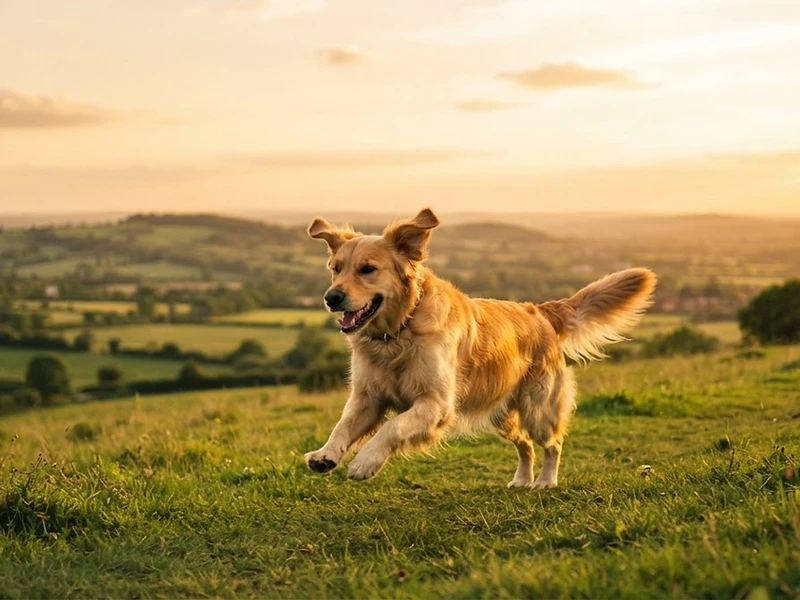

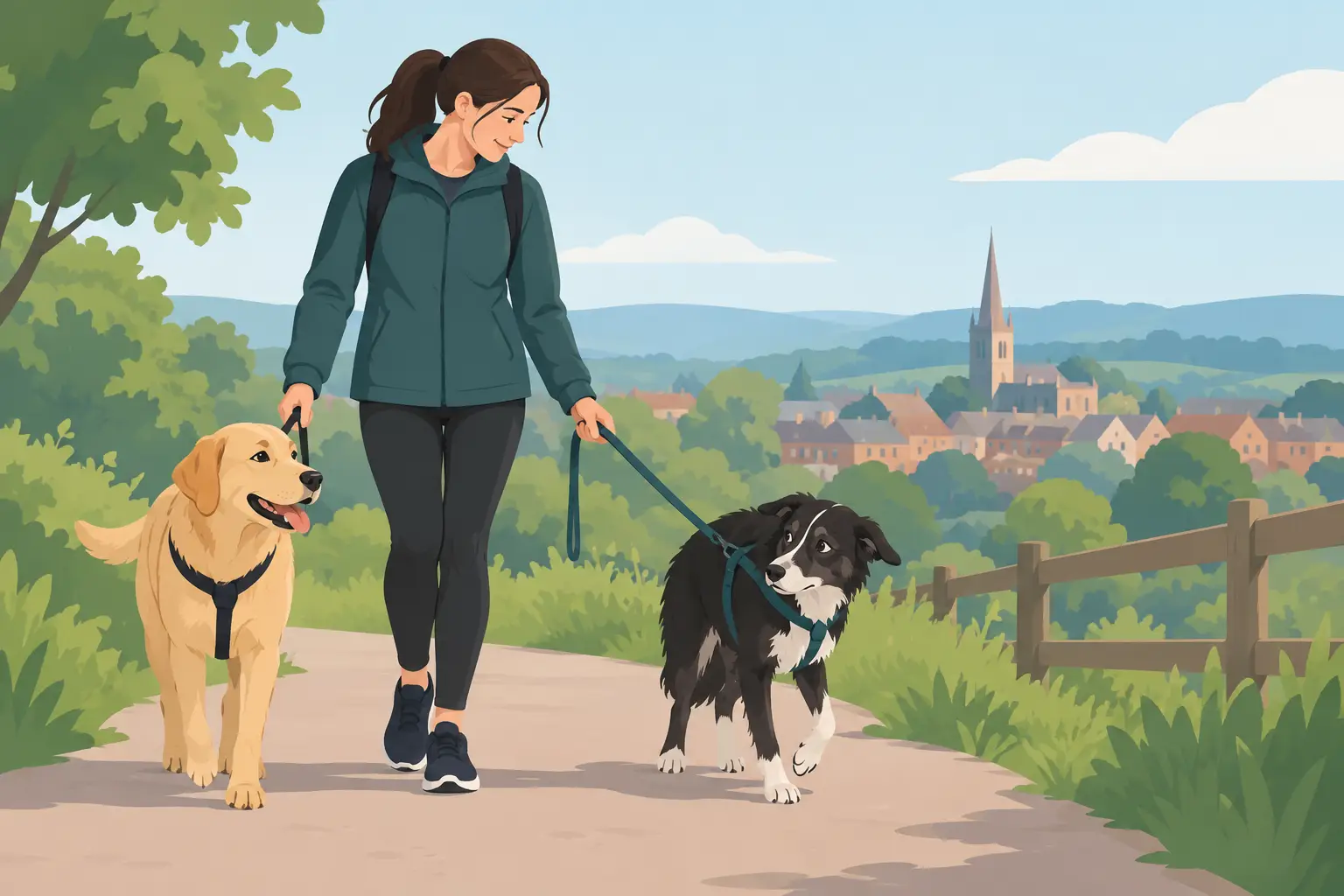
The right dog walker Bromsgrove families choose is not simply someone who can collect a lead at lunchtime. They are someone you trust with a much-loved member of your family: someone who notices when your dog is hesitant, understands what may be making a walk difficult, and follows the routine that helps them feel safe.
For many dogs, a walk is the best part of the day. For others, particularly those who are anxious, fearful or reactive, it can be full of pressures that people do not always see. The route, noise, other dogs, unfamiliar people and change to routine can all matter. Thoughtful, behaviour-led care makes room for the individual dog in front of us, rather than expecting every dog to cope in exactly the same way.
What should a dog walker in Bromsgrove provide?
Dependable dog walking starts with practical reliability. Busy working days, school runs, appointments and commutes do not always leave enough time for the length or type of walk your dog needs. A professional walker should arrive as agreed, communicate clearly and make your dog's wellbeing the priority from collection to return home.
But reliability is only one part of good care. A dog’s age, health, confidence, handling needs, home routine and experiences around other dogs all influence what a positive walk looks like. Some dogs flourish in carefully matched company. Others are happier walking alone, at quieter times or in places with more space. There is no prize for the busiest walk, the longest route or the biggest group if it does not suit the dog.
A considered service begins before the first outing. Detailed dog intake information gives your walker a clear picture of your dog’s needs, including routines, triggers, medical considerations, equipment, recall, feeding arrangements and veterinary details. This is not paperwork for paperwork’s sake. It helps make care consistent and gives owners confidence that important information is not being left to memory.
Behaviour-led walks are not one-size-fits-all
A behaviour-led approach means paying attention to what a dog is communicating. A dog that stops, pulls away, barks, freezes, scans the environment or struggles to take food may be telling us that they are uncomfortable or overwhelmed. These behaviours are not signs of a ‘bad’ dog. They are information.
Force-free, reward-based handling focuses on helping dogs feel safe and giving them choices where possible. It avoids intimidation, harsh corrections and methods designed to suppress behaviour without considering why it is happening. Instead, the walker manages distance, chooses appropriate routes and timings, reinforces calm choices, and works at a pace the dog can cope with.
That does not mean every walk will be perfectly quiet or that a dog will never react. Dogs are living beings, not projects to be completed. Weather, health, unexpected activity in the area and a dog’s own stress levels can change from day to day. Good care recognises those variables and adjusts rather than pushing a dog beyond their comfort zone.
For dogs who need extra patience
Reactive, anxious and fearful dogs are often the ones whose owners worry most about finding help. They may have been turned away from group walks, labelled difficult, or expected to cope with situations that are simply too much for them. Their families can feel judged, even when they are doing their very best.
Specialist support is about creating manageable experiences. That might mean an individual walk, a route chosen for space, slower introductions, calm handling at the door, or avoiding situations known to cause distress. It may also mean being honest when a particular service is not the right fit. Safety and welfare must come before convenience.
Hilltop Hounds is led by James Grant, a PPGBI-accredited canine behaviourist with more than 15 years of experience and a Level 4 Advanced Canine Behaviour qualification. His approach is compassionate, observant and force-free, with particular understanding for dogs who find the world a little harder to navigate. As a neurodivergent-led business, Hilltop Hounds also brings close attention to sensory needs, patterns and the details that can make a meaningful difference to a dog’s day.
Choosing the right arrangement for your dog
Before booking a dog walking service, think beyond the question, ‘Does my dog need exercise?’ Most do, but the type of activity and support needed will differ. A lively young dog may need a purposeful outlet and opportunities to sniff, explore and learn. An older dog may be more comfortable with a gentler pace. A worried dog may benefit most from predictability and distance from busy areas.
It is useful to share the things that go well as well as the things that feel difficult. Tell a potential walker what your dog enjoys, how they greet people, whether they are comfortable around other dogs, what equipment they use, and any known health or handling needs. If your dog has bitten, snapped, escaped, guarded items or reacted strongly on lead, being open is essential. A responsible professional will not shame you for this information. They need it to assess risk and plan safely.
The best arrangement depends on your dog and the service area, rather than a promise that every request can be accommodated. A good walker will be clear about coverage, availability and whether the support you need is suitable for their service. This honesty protects everyone, especially your dog.
Trust is built into the care process
Letting someone into your home and handing over your dog requires more than a friendly introduction. Professional processes matter because they create clarity when life is busy and decisions need to be made quickly.
Client registration, a dog-specific intake form and clear service agreements set expectations at the outset. They make it easier to record collection instructions, emergency contacts, behavioural information and consent for care. Emergency veterinary authorisation is especially valuable: if urgent treatment is needed and an owner cannot be reached immediately, the walker has a documented route to act in the dog’s best interests.
It is also reasonable to look for visible trust signals. A fully insured, DBS-checked service shows that a provider takes their responsibilities seriously. Insurance does not remove every risk, and a DBS check is not a substitute for skill, but both are sensible parts of choosing a professional carer. So are transparent terms, clear communication and a willingness to answer questions before care begins.
Questions worth asking before you book
A short conversation can reveal a great deal about how a dog walker works. Ask how dogs are assessed before walks begin, how group suitability is decided, and what happens if your dog appears stressed or unwell. Find out how they manage interactions with other dogs, whether they use force-free methods, and how they communicate after a visit.
For a dog with anxiety or reactivity, ask directly about experience with similar needs. You do not need someone who promises a quick fix. You need someone who can explain how they will reduce pressure, keep your dog safe and work respectfully with the information you provide.
It is equally important to ask what happens in an emergency. Clear veterinary consent, contact procedures and a plan for transport or urgent care can feel administrative until they are needed. Then they become part of the peace of mind you are paying for.
A better walk can look quieter than you expect
There is a common idea that a successful dog walk must look energetic, sociable and impressive from the outside. In reality, success may be a dog choosing to sniff freely, passing another dog at a comfortable distance, taking a treat outdoors, or returning home settled rather than overstimulated.
Dogs benefit from exercise, but they also benefit from rest, choice and feeling understood. A walker who can read those needs offers more than a gap-filler in the middle of the day. They become a consistent, calm part of your dog’s routine.
If you are looking for dog walking in Bromsgrove, choose care that treats your dog as an individual from the first conversation onwards. The most reassuring service is one where kindness is backed by knowledge, careful planning and the confidence to put your dog’s welfare first.

