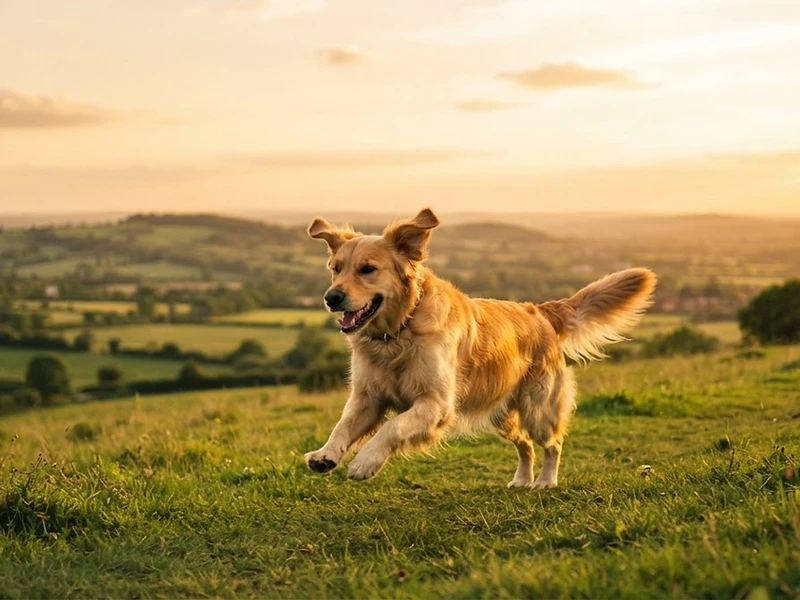
A dog walker for elderly dogs should not treat a senior stroll as a shorter version of a young dog’s adventure. Older dogs often need a different pace, more careful observation and the confidence that comes from a familiar, predictable routine. For owners balancing work, family life or appointments, the right support means your dog can still enjoy the outside world without being pushed beyond what feels comfortable.
Ageing does not look the same for every dog. One older Labrador may still happily potter along woodland paths, while another needs several gentle pavement walks with plenty of time to sniff. Changes can happen gradually, which is why thoughtful, individual care matters far more than a one-size-fits-all walk.
What elderly dogs need from a walk
A good walk can support an older dog’s mobility, digestion, sleep and emotional wellbeing. It provides fresh air, familiar scents and gentle mental stimulation. The aim is not to tire them out. It is to give them safe, enjoyable movement that suits the dog in front of the walker that day.
Senior dogs may have arthritis, reduced vision or hearing, heart conditions, cognitive changes, stiffness after resting, or simply less stamina than they once had. Some have medication schedules or dietary needs that affect when and how far they should walk. Others become more anxious as they age, particularly if their senses are changing and the world feels less predictable.
A considerate walker notices the small details. Is your dog slower getting up from a kerb than usual? Are they stopping more often, lagging behind, panting heavily or reluctant to leave home? Do they seem unsettled around other dogs or startled by traffic? These observations are useful, not inconvenient. They can help an owner make informed decisions with their vet where needed.
Slower does not mean less meaningful
Many elderly dogs would choose a calm sniff around a familiar route over a long, busy walk. Sniffing is not wasted time. It is information-gathering, enrichment and a way for dogs to engage with their environment at their own pace.
This may mean allowing extra time at a favourite hedge, choosing flatter ground, avoiding slippery paths after rain, or turning for home sooner than planned. Flexibility is especially valuable on cold, wet days, when stiff joints can be more uncomfortable, and during warmer weather, when older dogs may struggle to regulate their temperature.
Choosing a dog walker for elderly dogs
When looking for a dog walker for elderly dogs, begin with the questions that relate to your own dog’s daily reality. A professional should want to know about health conditions, mobility, medication, feeding routines, likes and dislikes, handling preferences, veterinary details and any changes in behaviour. An intake process is not needless paperwork. It is how safe, personalised care begins.
Ask how walks are planned and whether the service can accommodate a gentler pace, shorter duration or quieter route. Group walks may suit some sociable seniors, but they are not right for every dog. A dog who is deaf, sore, worried by other dogs, or easily overwhelmed may be happier with individual attention or a carefully matched arrangement. The honest answer is often: it depends on the dog.
It is also sensible to ask what happens if your dog seems unwell or uncomfortable during a walk. A responsible provider should have clear communication arrangements, emergency contact information and veterinary authorisation in place before it is ever needed. They should know when to stop, bring a dog home and contact you, rather than assuming every reluctance can be encouraged away.
Professional safeguards matter too. Check that your walker is fully insured, DBS checked and transparent about their client agreement and service terms. These practical details sit alongside kindness, not apart from it. They show that care has been planned for properly.
Behaviour-led care is valuable at every age
Older dogs can become more sensitive to situations they previously managed well. Pain, reduced eyesight, hearing loss and cognitive change can all alter how a dog responds to people, dogs, handling or unfamiliar noises. A normally friendly dog may begin to avoid contact. A dog who once enjoyed busy routes may find them stressful.
This is not a dog being difficult, and it should never be met with punishment or force. Force-free, reward-based handling gives a senior dog choice and reassurance. It helps a walker create distance from triggers, use calm routes, respect hesitation and reward behaviours that help the dog feel safe.
This approach is particularly helpful for reactive, anxious and fearful dogs. There is no benefit in forcing an elderly dog into close encounters they cannot comfortably manage. A skilled walker reads body language early: a stiffened posture, turning away, lip licking, freezing, scanning or a sudden refusal to move. Acting before a dog feels overwhelmed protects both their welfare and the experience of everyone around them.
At Hilltop Hounds, walks are informed by qualified behaviour knowledge, including Level 4 Advanced Canine Behaviour training and PPGBI accreditation. That means behaviour is considered as part of day-to-day care, not only when something goes wrong. For an elderly dog, this can make each outing feel calmer and more manageable.
Share the details that make care safer
Owners know their dogs best, but a walker can only work with the information they are given. Be open about any diagnosis, recent injury, medication, mobility aid, dietary restriction or warning sign you have noticed. If your dog has had a difficult veterinary visit, is grieving another pet, has started waking at night, or is showing new confusion, mention that too.
It is useful to explain the practical things as well. Which harness fits comfortably? Are there areas that should not be touched? Does your dog need help getting into a car, or should they avoid steps? Do they have a favourite route, a fear of bins, or a habit of eating things from the ground? Clear information makes it easier to prevent problems before they arise.
Keep this information current. Senior dogs can change quickly, and a care plan that was right three months ago may no longer be right now. A dependable walker should welcome updates and communicate their own observations after walks. This creates a helpful partnership rather than a handover at the front door.
Build a routine your dog can trust
Consistency is comforting for many older dogs. Knowing who is arriving, roughly when they will go out and where they are likely to walk can reduce uncertainty. This is especially valuable for dogs with anxiety or age-related confusion.
That does not mean every walk must be identical. Gentle variety can be enriching, but it should be introduced thoughtfully. A new quiet route may be lovely; a sudden long walk in a crowded park may not. The best routine leaves room for your dog’s changing needs while keeping the essentials familiar.
Consider the timing of walks too. A dog with stiff joints may benefit from moving later in the morning, after they have had time to loosen up. During summer, cooler periods are safer and more comfortable. If medication, meals or toileting needs shape the day, a walker should understand those boundaries before accepting the booking.
When a walk is not the right answer
There will be days when a senior dog needs a garden comfort break, calm companionship or a shorter lead walk rather than their usual outing. This is not a failure of exercise. It is responsive care.
Owners should seek veterinary advice for sudden changes such as collapse, marked weakness, persistent limping, laboured breathing, vomiting, diarrhoea, disorientation, pain when touched or a sharp shift in behaviour. A dog walker can report what they see, but they should not diagnose medical problems. Clear emergency veterinary permission helps ensure that, should urgent care be needed, the right action can be taken without avoidable delay.
The kindest walk for an elderly dog is one that respects who they are today, not who they were five years ago. With patient handling, clear communication and a pace chosen for comfort, their daily outing can remain one of the happiest parts of the day.

