Learning to Listen: Two Resources Every Dog Owner Should Know
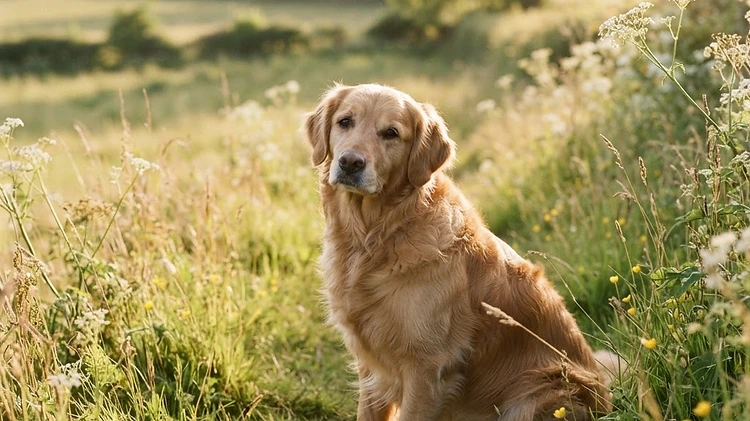
One of the first things I tell new clients is this: your dog is talking to you all day, every day. The trouble is, most of it is silent. A flick of the ear, a quick lip lick, a turned head, a lifted paw — these are not random movements. They are language. And once you learn to read them, your whole relationship with your dog changes.
I spend my working life reading dogs — on group walks, on solo walks, during behaviour sessions, and especially when introducing a nervous or reactive dog to a new situation. It is the single most important skill in force-free, low-stress handling. So I am always asked the same question by owners: where do I learn this?
There are two resources I recommend to every single client, without exception. I encourage you to look them up, read through them, and keep them close. They will make you a better advocate for your dog.
1. Silent Conversations — silentconversations.com
Silent Conversations is a free, in-depth blog devoted entirely to canine body language and communication. Run with genuine passion and years of observation, it walks you through the deliberate, subtle signals dogs use to negotiate their world — calming signals, curving, head turns, lip licks, yawning, paw lifts, freezing, raised hackles, and many more.
What I love about it is the philosophy. It asks you to leave your human expectations at the door and simply watch. As the author puts it, dogs talk silently with deliberate body language — and most of it is missed because we only start paying attention once the louder language (barking, growling) appears. By then, the silent conversation has usually been happening for some time.
The site is organised into clear introductory pages that build your understanding step by step:
- Introduction to Dog Body Language — where to begin if you are new to the subject.
- What are Calming Signals? — the cornerstone concept. Calming signals are the everyday gestures dogs use to defuse tension, show goodwill, and communicate discomfort. Learning these alone will change how you read your dog.
- Benefits of Learning Dog Body Language — why this matters for safety, trust, and your relationship.
- Individual signal pages — eyes, raised hackles (piloerection), scratching, the 'smiling' dog, and more, each broken down in detail.
I recommend starting with the Introduction and the Calming Signals pages, then browsing the individual signal entries as you notice them in your own dog. Bookmark it. Go back to it. The more you observe, the more you will see.
2. The Dog Decoder App
Dog Decoder is a smartphone app created by Jill Breitner — a dog behaviourist and body language expert with nearly 50 years of experience. It is designed to do one thing exceptionally well: help you identify and understand dog body language in real time, right there on your phone, whether you are at the vet with a fearful dog, at the groomer, or out on a walk.
The app is endorsed and used worldwide by veterinarians, veterinary behaviourists, shelters, trainers, and behaviourists — including UC Davis Veterinary Behavior Clinic. That level of professional endorsement tells you it is not a novelty; it is a serious, practical tool.
What makes it valuable for everyday owners:
- Visual identification — it breaks down each signal with clear explanations, so you learn not just the name but what the dog is feeling and why.
- Real-world, real-time use — it is built to be opened in the moment, when you are unsure what your dog is telling you.
- Bite prevention — Jill's mission with the app is to prevent dog bites before they happen. The statistic she highlights — that 77% of dog bites come from family and friends' dogs — is exactly why reading early stress signals matters so much. If you can see your dog is anxious or afraid early enough, you can remove them from the situation long before a bite is ever a possibility.
You can find it on the App Store and via dogdecoder.com.
Why I recommend both together
The two resources complement each other beautifully. Silent Conversations gives you the depth — the understanding, the philosophy, the why. Dog Decoder gives you the pocket reference — the what-am-I-looking-at-right-now tool for the moments that matter.
Used together, they build exactly the skill I rely on every day: the ability to see what a dog is saying, how they are feeling, and what to do about it. That skill is the foundation of everything I do at HillTop Hounds. It is why I can walk reactive dogs safely, why I match dogs to the right group, and why I will always advocate for a dog who is telling me they have had enough.
How to get the most out of them
- Start with Silent Conversations' Introduction and Calming Signals pages. Read them once, then watch your dog for a week. You will start seeing signals you never noticed.
- Install Dog Decoder on your phone. Open it the next time your dog does something you do not quite understand.
- Keep a mental note of the signals you see most often in your own dog. Every dog has a 'vocabulary' they lean on.
- Bring your observations to our walks. Tell me what you have noticed. The more I know about how your dog communicates, the better I can care for them.
Communication has a direct impact on the relationship you have with your dog. The more you understand what they are saying, the better choices you can make for them — and the stronger your bond becomes.
A final word
You do not need to be a professional to read dogs. You just need to take the time to watch. These two resources make that time count. I genuinely encourage every client to look into them, research them, and come back to them often. Your dog is already talking to you — these will help you hear them.
If you have questions about anything you read, or you would like me to walk through a signal you have noticed in your own dog, get in touch. That conversation is always welcome.

